Coconut Oil as Lube: What's Actually Safe (and What Nobody Has Tested)
Coconut Oil as Lube: What's Actually Safe, What Isn't, and What Nobody Has Tested
Short on time? The one thing that matters most: never use coconut oil with latex or polyisoprene condoms. It damages the material and the condom can fail. That part is not debated by anyone.
Searching "coconut oil as lube" usually means one of two things. Either you've run out of lube and you're eyeing the kitchen jar, or you've read somewhere that it's a natural, chemical-free alternative and you want to know if that's true.
The honest answer is messier than most articles will admit. Coconut oil is not dangerous in itself — but it is also not studied, and the internet is full of confident claims on both sides that nobody has actually tested. We sell silicone and TPE toys and water-based lubricant for a living, so we have an obvious bias. We're going to flag it, give you the sources, and let you decide.
The One Point Nobody Disagrees On: Condoms
Oil breaks down latex. This is the single most clear-cut finding in the entire topic, and all three major health authorities say it plainly.
The CDC states that oil-based lubricants "can weaken latex and break the condom." The NHS tells people not to use oil-based lubricant with latex condoms. Planned Parenthood names coconut oil specifically among lubricants that should not be used with latex or polyisoprene condoms, and notes that oil-based lubes are generally acceptable with polyurethane condoms — with the caveat to check the packaging.
There's real experimental backing too. A study of 268 couples testing new and aged condoms found that oil-based lubricant significantly increased condom slippage (8.5% versus 3.8%) and increased breakage, leading the authors to recommend that users be told not to use oil-based lubricants at all.
If you take nothing else from this page: coconut oil and latex condoms do not mix. If you need a lubricant that's compatible with every condom type, water-based is the only category that is universally endorsed.
Is Coconut Oil Safe as a Lubricant On Its Own?
Here's where it gets uncomfortable. There is no research on coconut oil as a personal lubricant. Not "mixed results" — genuinely absent.
Planned Parenthood says so directly: there isn't a lot of research on its use as lube, so it's unknown whether it can cause yeast or other infections. They add that coconut oil can irritate people with allergies or sensitive skin, and warn that any added sugars or fragrances could cause infections.
Cleveland Clinic, meanwhile, contradicts itself across pages. One gynecologist lists coconut oil among oils she recommends as lubricant and says they typically don't cause vaginal irritation. Another says coconut or olive oil "may be preferred lubricants" for people with sensitive skin — but specifically frames them as "an option for those who aren't using condoms." A third Cleveland Clinic Ob/Gyn takes the opposite position entirely, telling readers not to use natural oils as lubricants or vaginal moisturizers.
The NHS simply doesn't mention oils at all, recommending water-based lubricants instead.
What this means for you: no health authority calls coconut oil dangerous, and none calls it proven. "Commonly used, plausible, and evidence-free" is the accurate description. If you have sensitive skin, a history of yeast infections, or allergies, that's a meaningful gap in knowledge.
What About Your Toys? This Is Where It Gets Murky
This is the part most articles skip, and it's the part that actually matters if you own a decent toy.
The documented fact is about silicone lubricant, not oil: silicone-based lube can react with solid silicone toys and damage them. Planned Parenthood is explicit about this, and recommends water-based lube as "a safe bet to use with any sex toy."
But when you ask whether oil damages silicone toys, you'll find no answer — because no health authority or manufacturer has published guidance on it. The internet claim that "oil is fine on silicone" is repeated everywhere and sourced nowhere. It's untested lore.
Now the material most of our own toys are made from: TPE and TPR. We searched for guidance on how coconut oil interacts with these porous materials and found none. We're not going to tell you it's safe, and we're not going to tell you it will destroy your toy. Nobody knows.
What is documented about TPE is that it's porous and can absorb germs that are hard to fully remove even with regular washing — Planned Parenthood notes that porous materials including TPE and TPR can harbor bacteria, and suggests using a condom on the toy as a barrier.
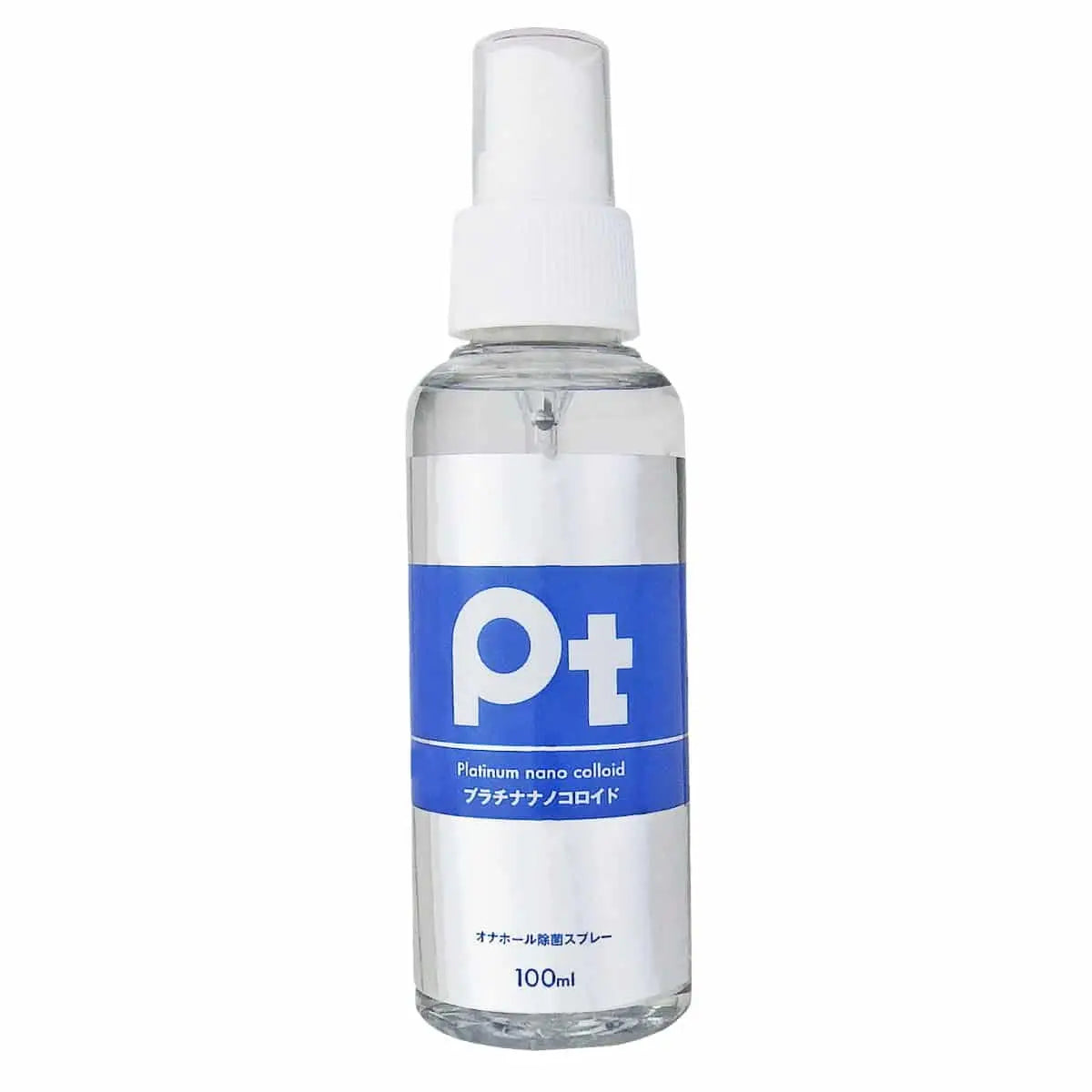
So the defensible position is this: water-based lubricant is the only option that health authorities recommend for every toy material. Not because oil is proven harmful, but because oil is completely unstudied and water-based is not.
The Vaginal Flora Question: One Real Study, Big Limits
You'll see claims that coconut oil "disrupts vaginal pH" or "causes yeast infections." Neither is established. But there is one relevant data point worth understanding properly.
A 2013 study of 141 women found that intravaginal use of oils was associated with Candida colonization — 44.4% among oil users versus 5% among non-users. That sounds alarming until you read the limitations: it pooled different oils together, did not test coconut oil specifically, was observational (so it cannot prove cause), and relied on self-reported behavior.
Planned Parenthood's position remains: we don't know, because it isn't studied. The honest takeaway is "possible, unproven, and worth caution if you're prone to infections" — not "coconut oil causes yeast infections."
Anal Use: Even Less Certainty
No institution has issued a verdict on coconut oil for anal sex. What is established is a set of practical problems.
The condom point applies doubly here, since condoms are the main protection during anal sex and oil compromises them. Beyond that, Cleveland Clinic notes that oils are "greasy and messy and can be difficult to wash off" — and the rectum cannot self-cleanse the way the vagina can, so residue is a genuine hygiene concern rather than a theoretical one.
Observational studies link petroleum jelly and baby oil to higher prevalence of rectal chlamydia and gonorrhea, though coconut oil was not among the products tested. And research on men who have sex with men has found oil-based lubricant users report more condomless receptive anal sex and more condom breakage. These are associations, not proof of causation — but they all point the same direction.
The "Coconut Oil Kills Bacteria" Claim
Coconut oil contains lauric acid, and lauric acid does show antibacterial activity — in a lab dish. Studies have demonstrated that monolaurin, a lauric acid derivative, inhibits several bacterial strains in vitro, and that virgin coconut oil disrupts bacterial cell walls in laboratory conditions.
That is not the same as protecting you from anything. There is no clinical evidence that applying coconut oil to mucous membranes prevents STIs, yeast infections, or bacterial vaginosis. The in-vitro studies themselves note the need for further testing before anyone draws real-world conclusions.
If you see an article implying coconut oil is a natural antimicrobial lubricant that protects you, that article is extrapolating from petri dishes to people. Ignore it.
Coconut Oil vs Water-Based Lube: Side by Side
| Coconut oil | Water-based lube | |
|---|---|---|
| Latex / polyisoprene condoms | Do not use (CDC, NHS, PP) | Safe |
| Polyurethane condoms | Generally compatible — check packaging | Safe |
| Silicone toys | No published guidance | Recommended by PP for any toy |
| TPE / TPR toys | No published guidance | Recommended |
| How long it lasts | Longer-lasting, per Cleveland Clinic | Dries faster; needs reapplication |
| Washing off | "Difficult to wash off" (Cleveland Clinic) | Washes off very easily |
| Irritation risk | Possible for sensitive skin or allergies | Generally lowest-irritation option |
| Where to get it | Kitchen | Anywhere — ours start at $17.84 |
Notice the pattern: coconut oil wins on one axis (lasting longer) and loses or draws a blank on everything else. Water-based lube is the compromise that health authorities keep recommending because it's the only category with no compatibility question marks.
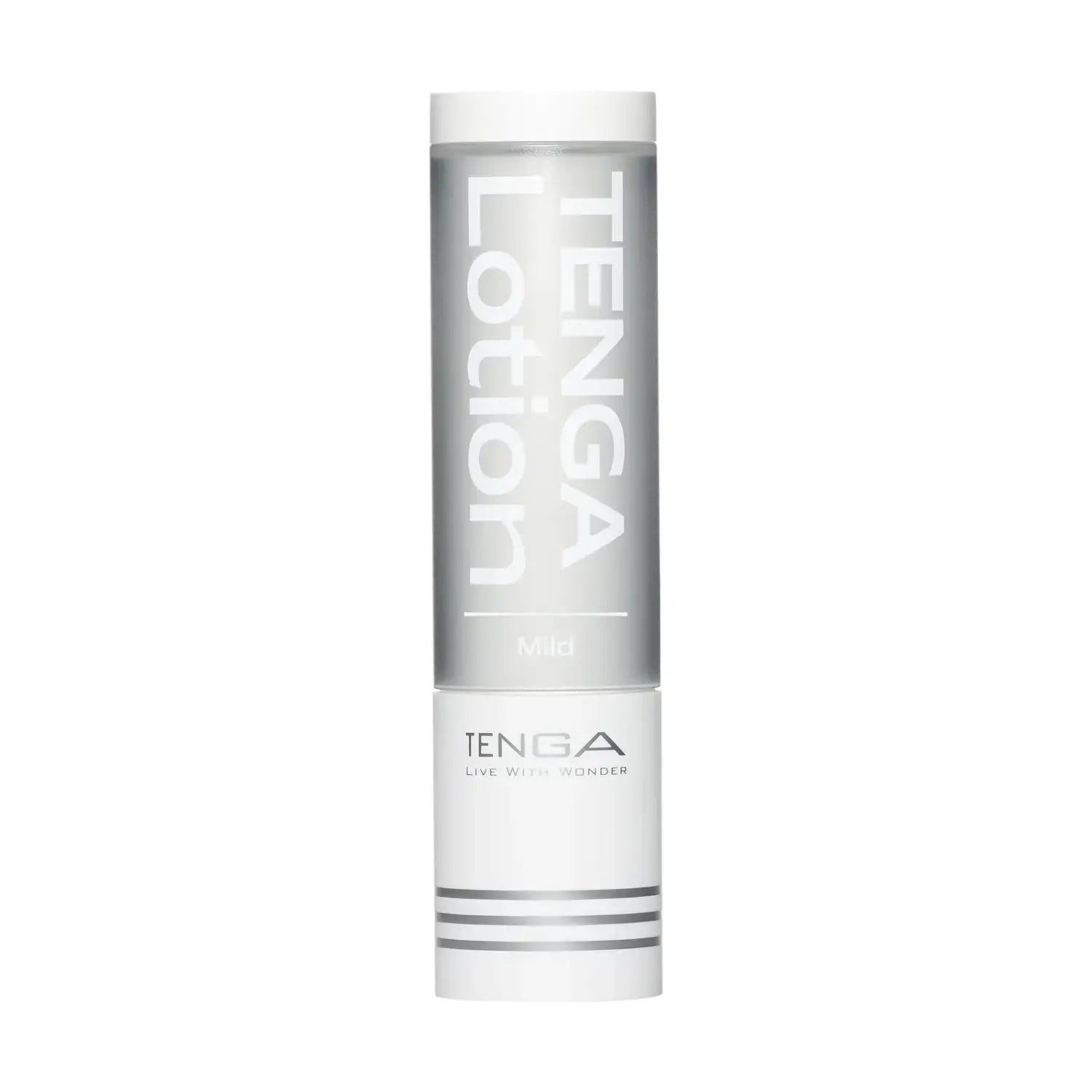
If you go through lubricant quickly, larger bottles bring the per-millilitre cost down sharply — a 600ml high-viscosity lotion is the same category at a third of the unit price.
Worth noting that water-based isn't automatically perfect either. Cleveland Clinic points out that glycerin-containing formulas may increase yeast infection risk for some people, and suggests avoiding chlorhexidine gluconate, propylene glycol, added fragrances, spermicides, and warming or tingling additives. A plain, thick water-based lotion is usually the safer bet.
What We'd Actually Recommend
If you're using coconut oil because it's free and already in your kitchen, the risk is mostly confined to two scenarios: you're using condoms (stop immediately), or you own a TPE toy and don't know what the oil is doing to it long-term (nobody does).
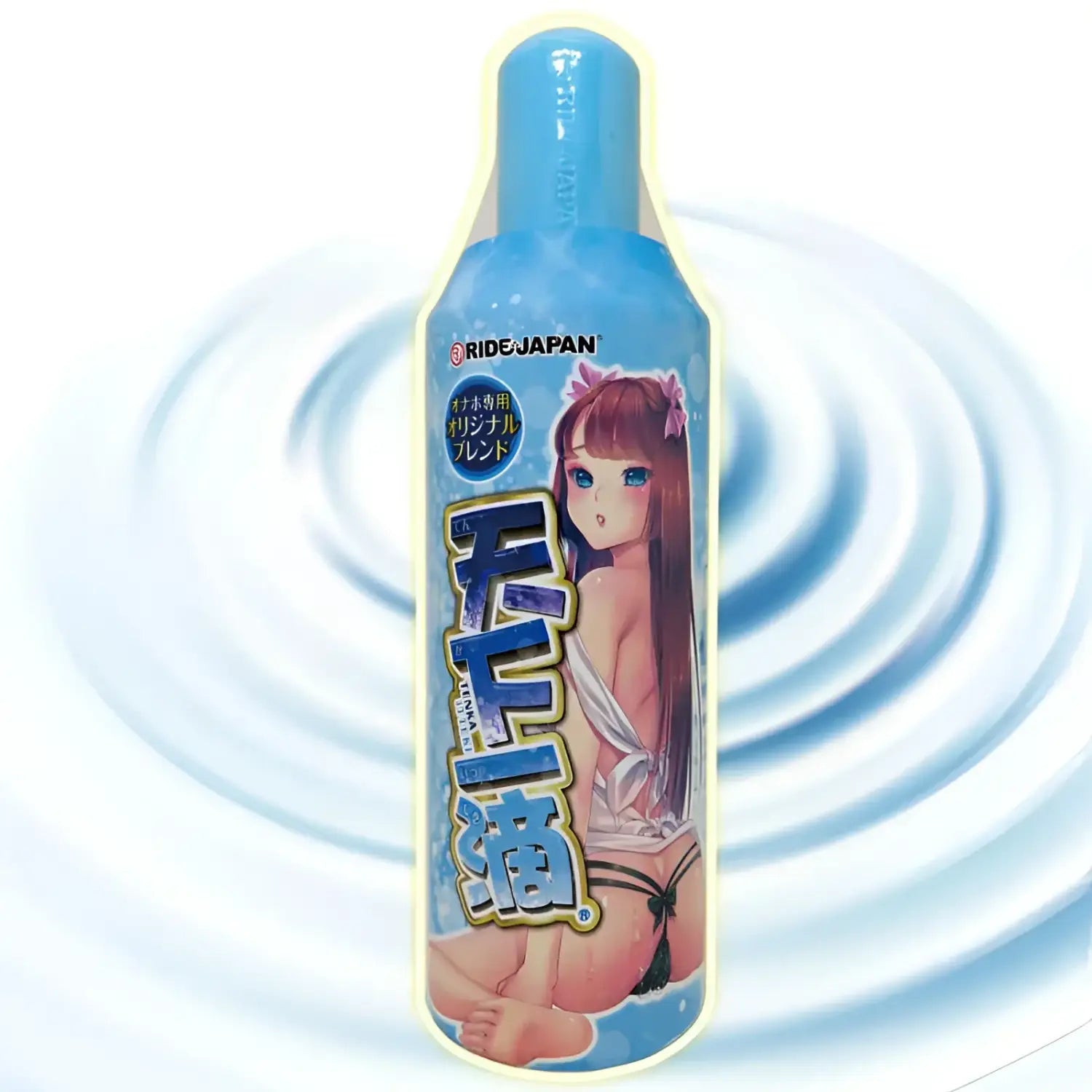
A 180ml bottle of proper water-based lubricant costs $17.84 here and lasts months — for example the SSI Japan Ohana non-love-juice lotion or the Tojo Natsu love-juice lubricant. That's not a pitch — it's the practical resolution of a question that has no research behind it. When the evidence is absent, use the option that every health authority endorses rather than the one with a blank data sheet.
For porous TPE toys specifically, the care routine matters more than the lube choice. Wash with mild soap and warm water, use a dedicated toy cleaner, and dry thoroughly before storage — moisture trapped inside a porous sleeve is a bigger real-world problem than which lubricant you used. A diatomaceous drying stick handles that part in a few hours.
If you want the full background on materials, sizing, and how these toys are built, our complete guide to onaholes covers it without the guesswork. And if you're specifically curious how lubricant choice changes the feel of a toy, we went deep on that in our piece on why lube matters more than the toy.
Frequently Asked Questions
Can you use coconut oil as lube?
Yes, with major exceptions. No health authority calls it dangerous when used alone, but none has studied it either — Planned Parenthood states outright that research is lacking. The absolute rule is that it must never be used with latex or polyisoprene condoms, because oil weakens the material and the condom can break.
Does coconut oil break condoms?
Yes. The CDC, NHS, and Planned Parenthood all state that oil-based lubricants weaken latex and can cause condom failure. Planned Parenthood names coconut oil specifically. Polyurethane condoms are generally considered compatible with oil, but you should confirm on the packaging.
Is coconut oil safe for silicone or TPE sex toys?
Unknown. There is no published guidance from any health authority or manufacturer association on how coconut oil affects silicone or TPE toys — so claims in either direction are unsourced. What is documented: silicone-based lube damages silicone toys, and water-based lube is recommended for all toy materials.
Can coconut oil cause a yeast infection?
It's unproven. One observational study found intravaginal oil use was associated with higher Candida colonization, but it pooled several oils, didn't test coconut oil specifically, and can't establish cause. Planned Parenthood's position is that it's simply unknown. Coconut oil with added sugars or fragrances carries a clearer risk.
Does coconut oil kill bacteria or prevent STIs?
No. Lauric acid in coconut oil shows antibacterial activity in laboratory studies, but there is no clinical evidence that it prevents STIs, yeast infections, or bacterial vaginosis when applied to mucous membranes. Any claim that coconut oil protects you is extrapolating from in-vitro results.
What's the best lubricant if I don't want to risk it?
Water-based. It's the only category recommended for every condom type and every toy material, it washes off easily, and it causes the least irritation. Avoid formulas with glycerin if you're prone to yeast infections, and skip added fragrances, warming agents, and spermicides.