Waifu Meaning Explained: The Word, the Culture, and the Toys It Sold
Waifu Meaning Explained: The Word, the Culture, and the Toys It Sold
Short answer: a waifu is a fictional female character you feel real romantic or sexual attachment to. It is not a wife, not a girlfriend, and not a doll. The word is a Japanese-accented pronunciation of "wife" that escaped a 2002 anime and never went back.
"Waifu meaning" is one of the biggest searches in this entire niche — roughly 8,000 a month in Canada alone by the keyword data we work from, which is more than most product terms in the category. That is exactly why this page exists on a shop that sells onaholes: half our customers meet the word on a box before they ever meet it in a dictionary.
So here is the honest version, from people who sell anime-themed toys for a living: what the word means, where it came from, how it drifted from fandom slang into product branding, and what it does not mean when you see it printed on packaging.
What "waifu" actually means
A waifu is a fictional female character a fan feels genuine romantic or sexual attraction toward. The attraction is usually long-running rather than a passing crush: people pick a character, collect her merch, replay her route, and talk about her the way other people talk about a partner. Researchers file it under parasocial relationships — one-sided bonds that still feel emotionally real to the person holding them.
Three details get lost whenever the word goes mainstream:
- It is not "wife." The spelling comes from Japanese phonology rendering the English word wife, but the meaning is a fictional character, not a spouse.
- It is not only sexual. Plenty of fans are attached to a character's personality, voice, or story arc. The 2025 studies on this split the bond into a physical component and an emotional one, and not everyone scores high on both.
- Husbando is its mirror. The male equivalent showed up years later and works the same way.
A 2025 summary of the research reports that roughly 38% of anime fans say they have a waifu or husbando. That number is the reason the word now appears in marketing for everything from body pillows to, yes, onaholes.
Where the word came from
The trail starts with Azumanga Daioh, the 2002 school comedy. The teacher, Mr. Kimura, refers to his wife with a phrase that Western viewers heard as "my waifu" — an English word bent through Japanese pronunciation, delivered by a character who is deliberately ridiculous about his marriage. Anime fans on message boards picked it up as mai waifu, and by the mid-2000s it was the standard way to name a fictional favorite.
Two moments pushed it out of the forum. In 2009 a Japanese man held a wedding ceremony with a character, broadcast to thousands of viewers, and the story traveled worldwide. Around the same time the "your waifu is trash" meme turned the word into a joke anyone could use without knowing the source anime. From there it moved into games, Western animation, and eventually merch catalogues.
The words people mix up
| Term | What it means | Where you actually see it |
|---|---|---|
| Waifu | A fictional female character a fan is attached to | Anime fandom, game fandoms, merch |
| Husbando | The male equivalent | Same spaces, arrived later |
| Dakimakura | A printed body pillow — a product, not a relationship | Bedroom merch, often sold with waifu art |
| Nijikon | Attraction to 2D characters as a concept | Japanese fan discourse, essays |
The mix-up that matters commercially is waifu versus dakimakura. One is a fan's attachment; the other is a pillow. A product can be themed around a waifu, but the product is not the waifu. That distinction is the entire reason this site sells silicone and TPE, not printed fabric.
Why anime theming sells onaholes
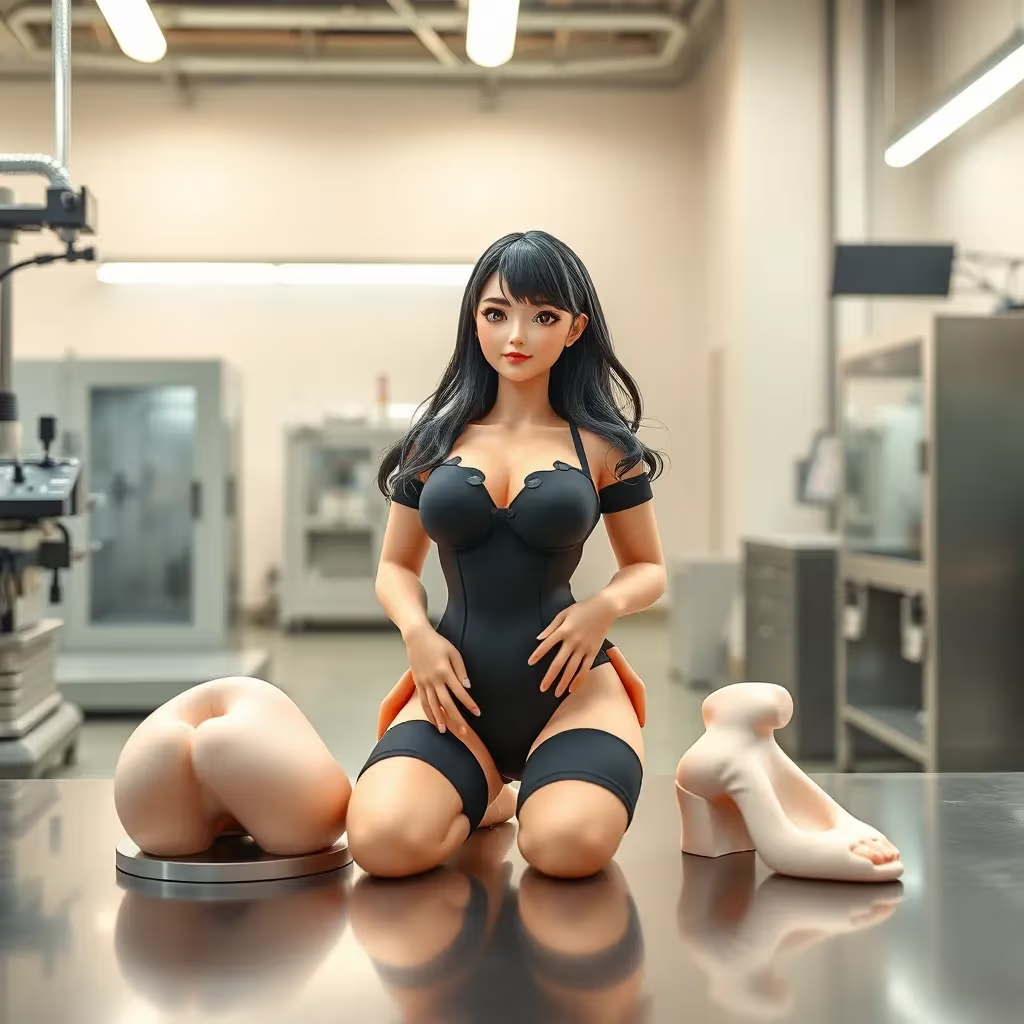
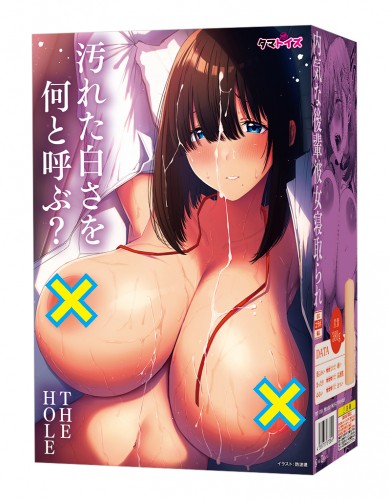
Japanese makers figured out early that the character on the box does as much work as the tunnel inside it. TAMATOYS built a licensing strategy around it, Magic Eyes leans on original art with a consistent house style, and NPG takes the opposite route with molds cast from JAV actresses. We wrote about that split in our anime onahole brand comparison and in the piece on why TAMATOYS keeps winning licenses.
What the branding does not mean: the toy is not modelled on a real character's body, and the art is not a promise about texture. An anime box and a realistic box can hide the same 500g single-layer sleeve. The box sells the fantasy; the spec sheet sells the toy.
Three kinds of anime-themed onahole
| Type | What the branding is | What to check |
|---|---|---|
| Licensed character | An actual anime, game or mascot license | Whether the art matches the toy's actual weight class |
| Original anime art | Art drawn in-house, no license | Layer count and tunnel diagram — the art tells you nothing |
| Actress-based | A JAV performer's name and mold | Weight, mold source, and whether a soft-skin variant exists |

XTC's Yandere sits in the first camp: the box commits to a personality — obsessive, clingy, a little unhinged — and the toy answers with a closed-end tunnel built for suction. That is anime theming doing what it is good at, giving you a reason to pick one 500g sleeve over the other twenty on the shelf.
Picking one without overpaying
Character art is the least useful thing to shop by. Three numbers tell you more: weight, layer count, and whether the tunnel is closed-end or through.
- Weight — under 400g feels like a novelty; 500–700g is where most dual-layer anime sleeves sit; above 1.5kg you are into powered or torso territory.
- Layers — a single-layer sleeve is uniform inside. Dual-layer puts a soft outer wall over a tighter inner canal, which is the actual difference people describe as "realistic."
- Tunnel — closed-end builds pressure and suction; through-tunnel is easier to clean and dry.
If you want the curated shortlist instead of a spec lecture, our ACG picks for Canada rank what we actually stock, and this piece on character theming explains why the art changes how a toy feels in use. New to the category entirely? Start with what an onahole is before you buy anything.
Two housekeeping notes specific to this country: everything we sell ships from inside Canada, so there is no customs step, and the packaging is plain. The where to buy onaholes in Canada guide covers that end to end. For cleaning, the material matters more than the brand — TPE and silicone want different treatment, covered in our material-based cleaning guide.
FAQ
What does waifu mean in one sentence?
A fictional female character a fan feels romantically or sexually attached to. It is fandom vocabulary, not a relationship status.
Is "waifu" an insult?
Usually not. Within fandom it is neutral-to-affectionate. The "your waifu is trash" meme made it a joke, so tone depends entirely on who is saying it.
Waifu versus husbando — which came first?
Waifu, by several years. The word traces to a 2002 anime; husbando emerged later as the male counterpart.
Is a waifu the same as a dakimakura?
No. A dakimakura is a printed body pillow. A waifu is the character a fan is attached to — the pillow is merch, not the relationship.
Do anime onaholes actually feature the character?
Sometimes licensed, often original art drawn to look like a character type. The toy itself is a sleeve with a tunnel; the art is branding, not a body cast.
Do I need to know anime to buy an anime-themed onahole?
No. The theming is a design language — mascot art, naming, packaging. Pick on weight, layers and tunnel first, then choose whichever box you actually like looking at.
Is the art on these toys aimed at adults?
The products are sold to adults and the packaging is adult product packaging. Treat the art as illustration on an adult item, not as a character guide.